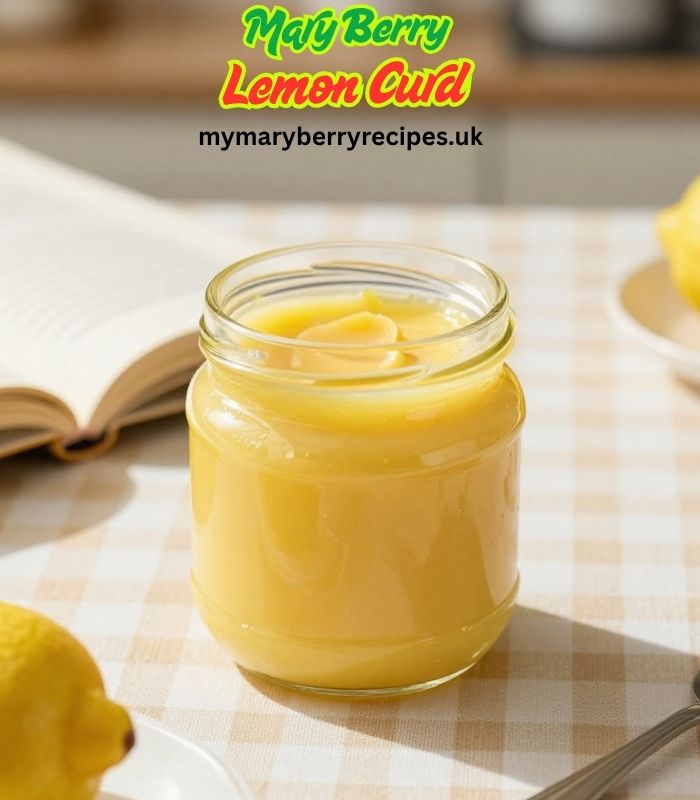
If you have ever spread a spoonful of silky, golden mary berry lemon curd eary recipe onto a warm scone and felt your whole morning get better, you already understand why this recipe matters. Mary Berry’s lemon curd is one of those timeless British kitchen staples that never goes out of style. It is bright, tangy, buttery, and incredibly versatile.
Whether you are making it to fill a Victoria sponge, drizzle over pancakes, or simply eat from the jar with a teaspoon, this guide walks you through everything you need to know.
Ingredients for Lemon Curd
Essential Ingredients List
- 4 unwaxed lemons, zest and juice
- 200g caster sugar
- 100g unsalted butter, cut into cubes
- 3 large eggs, lightly beaten
- 1 egg yolk, for extra richness
Choosing Fresh Lemons
This is the one area where you genuinely cannot cut corners. Fresh, unwaxed lemons make a world of difference. Waxed lemons have a coating on the skin that can interfere with the flavor of your zest, so always opt for unwaxed if you are planning to use the rind.
Look for lemons that feel heavy for their size, as that is a sign they are packed with juice. Give them a gentle squeeze, and a slight give means they are ripe and ready. Avoid any that look shriveled or have very thick, pale skin, as they tend to yield less juice and less aromatic zest.
Importance of Butter and Eggs
The butter is what gives lemon curd its gorgeous, glossy finish and that melt-in-the-mouth richness. Unsalted butter is always preferable because it lets you control the flavor entirely. Good quality butter, ideally a higher-fat European-style one, really does elevate the final result.
Kitchen Tools You’ll Need
- A medium heatproof bowl
- A saucepan for the double boiler
- A fine grater or microplane for zesting
- A lemon juicer or reamer
- A wooden spoon or silicone spatula
- Clean, sterilized glass jars with lids
- A fine mesh sieve or strainer
Using a Double Boiler Method
Mary Berry’s method traditionally uses a bain-marie, or double boiler — a heatproof bowl set over a pan of gently simmering water. This indirect heat approach is the secret to lemon curd success. It prevents the eggs from scrambling and lets everything cook evenly and gently.
The bowl should sit comfortably over the saucepan without touching the water below. Keep the heat on a low-to-medium simmer throughout. Patience here is absolutely key — rushing with high heat is how you end up with a grainy, curdled mess.
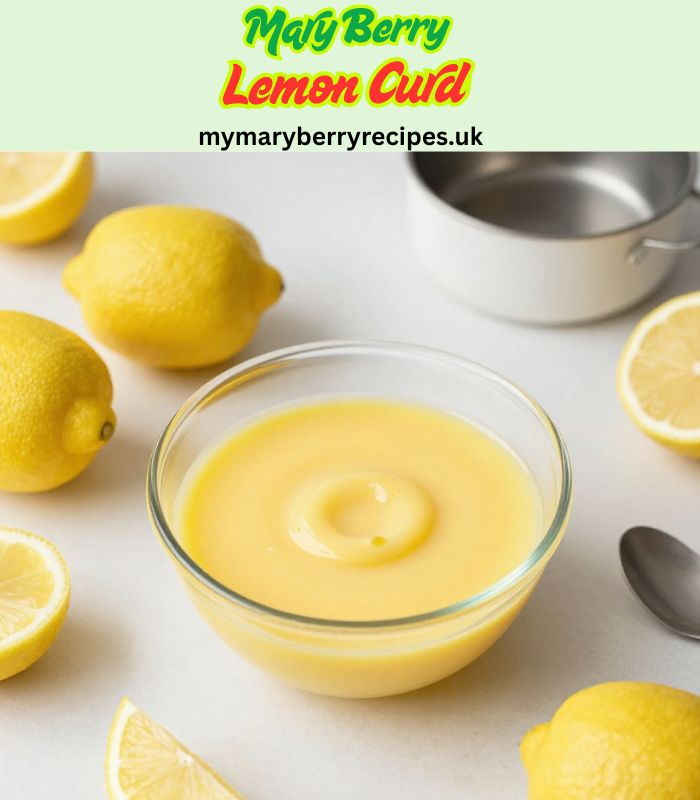
Step-by-Step Mary Berry Lemon Curd Recipe
Preparing the Ingredients: Before you begin cooking, take the time to properly prep your lemons. Wash and dry them thoroughly first. Zest each lemon using a fine microplane, working in long, sweeping strokes. Only remove the bright yellow outer layer — the white pith beneath is bitter and will muddy the flavor of your curd.
Once zested, roll each lemon firmly on the worktop before cutting and juicing. This breaks down the internal membranes, helping you extract every last drop. Strain the juice through a fine sieve to catch any pips or pulp.
Cooking the Lemon Curd
Place the heatproof bowl over a pan of gently simmering water. Add the lemon zest, lemon juice, sugar, and butter cubes. Stir continuously over low to medium heat until the butter has fully melted and the sugar has dissolved. The mixture should be smooth and warm throughout.
In a separate bowl, lightly beat the eggs and the extra yolk. Slowly pour the beaten eggs into the warm lemon mixture, stirring constantly as you do. Continue stirring over the gentle heat for 10 to 13 minutes until the curd thickens enough to coat the back of a spoon.
Remove from the heat and strain through a fine sieve for an ultra-smooth result. Pour immediately into sterilized jars and seal.
Checking the Perfect Consistency
The classic test is the spoon test. Dip a wooden spoon into the curd and draw a horizontal line through it with your finger. If the line holds clean without the curd running back together, it is ready.
Another reliable indicator is temperature. Lemon curd is perfectly set when it reaches around 75 to 80 degrees Celsius on a kitchen thermometer. Keep in mind the curd will continue to thicken slightly as it cools in the jar, so do not be tempted to overcook it at this stage.
Tips for Perfect Lemon Curd
- Using high heat is the most common error — always keep the temperature gentle and resist the urge to rush.
- Not stirring constantly can cause the eggs to set unevenly, even if you step away for just a minute.
- Adding eggs too quickly to a hot mixture causes them to scramble rather than incorporate smoothly.
- Skipping the sieve leaves behind zest fragments and any cooked egg particles, so always strain before jarring.
Why Your Curd Turns Lumpy
Lumpy lemon curd is almost always caused by the eggs overheating and scrambling. This happens when the water beneath the bowl is boiling too vigorously or when cold eggs are poured directly into a very hot mixture without tempering. If you notice small lumps forming, immediately remove the bowl from the heat and strain the curd through a fine sieve. It can often be rescued this way if you act quickly enough.
Variations of Lemon Curd
Dairy-Free Lemon Curd
Making a dairy-free version is entirely possible and genuinely delicious. Simply substitute the unsalted butter with a good-quality vegan block butter, looking for one with a high fat content for the best texture. Coconut oil can also work, though it will lend a faint coconut flavor to the finished curd. The process remains exactly the same — just be aware that some vegan butters melt slightly differently, so the curd may take a few extra minutes to thicken.
Flavored Lemon Curd Ideas
- Lemon and lavender — steep a teaspoon of dried lavender in the warm lemon mixture before adding the eggs for a delicate floral note
- Lemon and ginger — stir in a teaspoon of finely grated fresh ginger for a warming, spiced kick.
- Lemon and passionfruit — replace a portion of the lemon juice with passionfruit pulp for a tropical twist
- Lime curd — swap lemons for limes entirely and follow the same method, which pairs beautifully with coconut-based desserts
Serving Suggestions (How to Use Lemon Curd)
Lemon curd is one of the most versatile things you can keep in your fridge. Here is how to make the most of it:
- Spread generously on scones, crumpets, or thick slices of toast for a classic British breakfast.
- Spoon chilled curd into pre-baked shortcrust pastry shells and top with meringue for a simple lemon tart
- Mix with lightly whipped double cream and layer into a Victoria sponge for a zesty filling.
- Swirl through yogurt or fold through cheesecake batter for a gorgeous ripple effect.
- Spoon over pancakes or waffles as a bright alternative to syrup.
- Drizzle over vanilla ice cream or alongside a slice of pavlova for an instant dessert upgrade.
Storage and Shelf Life
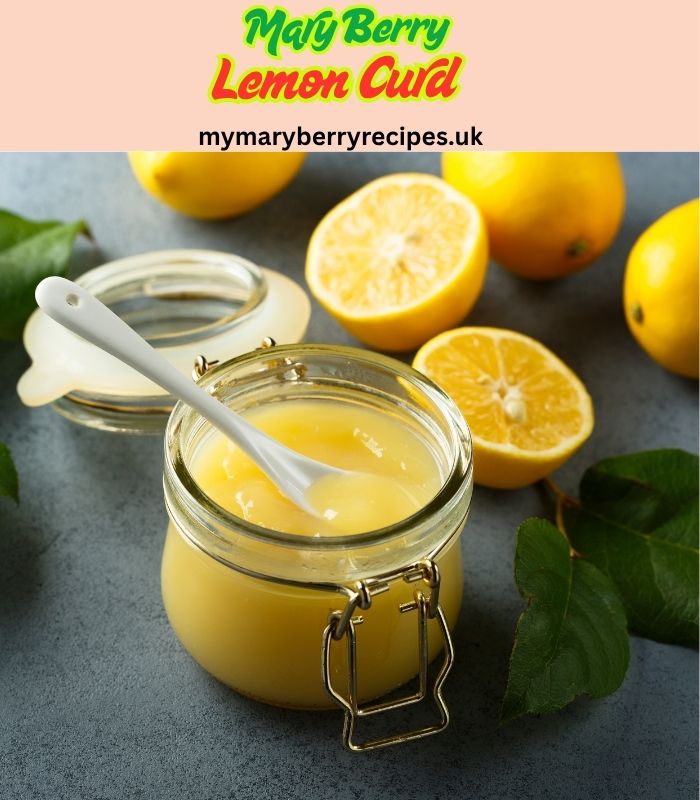
How to Store Lemon Curd Properly: Always store homemade lemon curd in clean, sterilized glass jars. To sterilize your jars, wash them in hot soapy water, rinse well, then place them in an oven at 140 degrees Celsius for 15 minutes. Fill the jars while both the curd and the jars are still hot, then seal immediately to create a partial vacuum as they cool. Once opened, keep the jar refrigerated and always use a clean spoon to avoid introducing bacteria.
How Long Does It Last in the Fridge
Homemade lemon curd will keep in the fridge for up to three weeks in a sealed jar. This is significantly shorter than commercial curds because it contains no preservatives. If you are giving it as a gift or making it ahead of time, label the jar clearly with the date it was made. Always trust your senses — if it smells off or develops any unusual color, discard it and make a fresh batch.
Nutritional Information
The values below are approximate per two-tablespoon serving of lemon curd, based on 30 grams per portion. Nutritional content will vary based on the exact ingredients used.
| Calories | 95 kcal |
| Total Fat | 5g |
| Saturated Fat | 3g |
| Carbohydrates | 12g |
| Sugar | 11.5g |
| Protein | 1.5g |
Lemon curd is undeniably a treat rather than a health food, but a little goes a long way. Its bright, concentrated flavor means a small serving adds a generous punch to whatever you are making.
FAQs About Lemon Curd
Can I Freeze Lemon Curd?
Yes, lemon curd freezes surprisingly well. Spoon it into a freezer-safe container, leaving a little space at the top as it will expand slightly when frozen. It will keep for up to three months in the freezer. Thaw overnight in the fridge and give it a good stir before using. The texture may be very slightly different after freezing, but the flavor remains bright and delicious.
Why Is My Lemon Curd Too Thin?
A thin curd usually means it wasn’t cooked long enough. Return it to the double boiler over gentle heat and continue stirring until it thickens to coat the back of a spoon. Remember that it will also thicken further as it cools — so do not panic if it seems slightly runny while still warm. Give it a few hours in the fridge before concluding it is too thin.
Can I Use Bottled Lemon Juice?
Technically, yes, but the flavor will not come close to fresh. Bottled lemon juice is more acidic and lacks the aromatic complexity of freshly squeezed lemons. You will also miss out entirely on the fresh zest, which is where so much of the fragrance and character of the curd lives. If fresh lemons are genuinely unavailable, bottled juice in a real pinch is workable — but for the best possible result, always go fresh.
How Do I Thicken Lemon Curd?
The simplest fix is to return the curd to the double boiler and continue cooking gently, stirring constantly, until it reaches the right consistency. If it remains very stubbornly thin, you can whisk in an additional egg yolk, lightly beaten first, and cook for a further five minutes. Avoid adding cornflour — it changes the texture and introduces a starchy quality that has no place in a classic lemon curd.
Mary Berry Lemon Curd Recipe
Course: CurdCuisine: BritishDifficulty: Easy4
servings30
minutes40
minutes300
kcalIngredients
4 lemons (zest + juice)
150g sugar
3 eggs
100g butter
Directions
- Mix eggs, sugar, lemon zest & juice in a pan.
- Cook gently over low heat, stirring continuously.
- Add butter and stir until smooth & thickened.
- Pour into sterilized jar, cool, and store in fridge.
Notes
- Stir constantly to avoid curd scrambling.
- Can be used on toast, cakes, or tarts.
- Keeps 2 weeks in fridge.