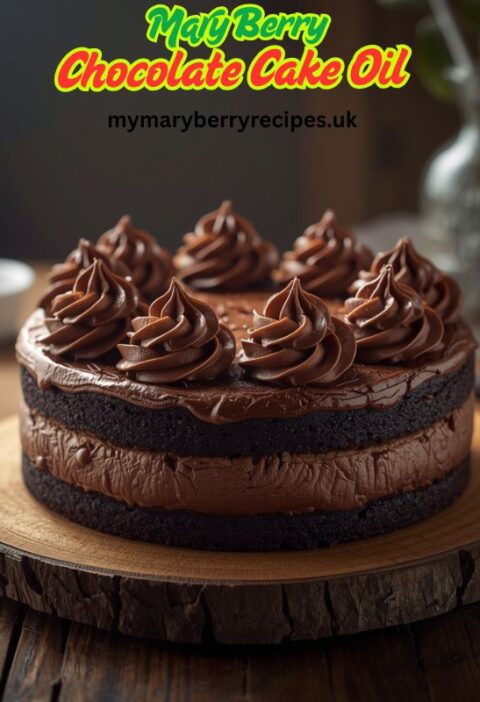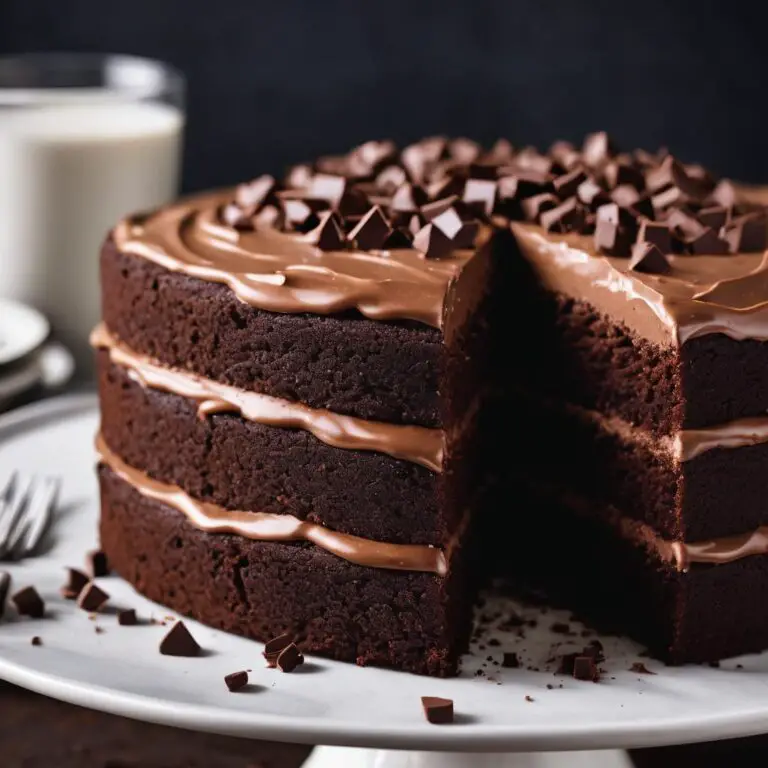
Learn how to make Mary Berry chocolate fudge cake with this easy recipe? A moist, rich, and delicious dessert perfect for any occasion. Rich, deeply chocolatey, and covered in a glossy fudge frosting that practically begs for a second slice — this is the kind of cake that disappears within hours at any gathering.
Mary Berry, a British baking icon for years, is perhaps best known for her chocolate fudge cake. It’s a recipe that’s become something of a classic. It strikes a balance that most chocolate cakes chase but rarely achieve: intensely flavourful without being too heavy, and moist enough to hold together for days after baking. Whether you are making it for a birthday, a bake sale, or simply because you fancy a proper homemade treat, this is the recipe you will want in your collection.
It has been shared, recreated, and passed around the internet for years because it genuinely delivers. Once you make it, you will understand exactly why.
Ingredients for Mary Berry Chocolate Fudge Cake
Getting your ingredients right before you start is half the battle won. Make sure everything is weighed out and at room temperature before you begin mixing.
Cake Ingredients
For the sponge layers:
- 200g self-raising flour
- 200g caster sugar
- 200g softened unsalted butter
- 4 large eggs
- 2 tbsp cocoa powder
- 1 tsp baking powder
- 2 tbsp boiling water
- 1 tsp vanilla extract
For the chocolate fudge frosting:
- 75g unsalted butter
- 175g icing sugar, sifted
- 3 tbsp cocoa powder
- 3 tbsp milk (whole milk works best)
These quantities yield a two-layer round cake, typically baked in two 20cm tins. If you want a taller three-layer cake, simply scale up by half.
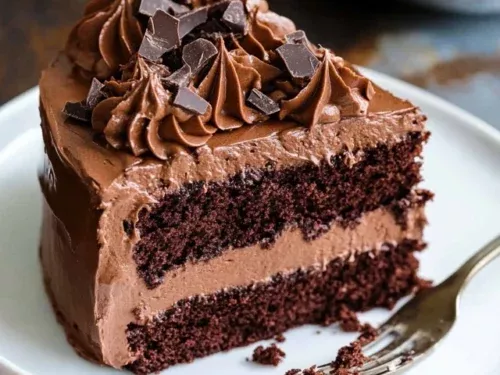
Key Ingredients Explained
Cocoa powder: Go for a good-quality unsweetened cocoa powder. Cheap cocoa can make your cake taste bitter rather than rich. Dutch-processed cocoa gives a slightly smoother, less acidic flavour — worth trying if you can find it.
Boiling water: This might seem like an odd addition, but it makes a real difference. Adding a small amount of boiling water to cocoa powder blooms it — it intensifies the chocolate flavour significantly without adding any heaviness to the batter.
Room temperature butter: Cold butter will not cream properly and can leave your batter lumpy. Take it out of the fridge at least 45 minutes before you start.
Self-raising flour: If you only have plain flour, add 2 teaspoons of baking powder per 200g as a substitute.
Step-by-Step Baking Instructions
Preparing the Batter
Start by preheating your oven to 180°C (160°C fan) or Gas Mark 4. Grease two 20cm round sandwich tins and line the bases with baking parchment.
In a small bowl, whisk the cocoa powder into the boiling water until smooth, then set aside to cool slightly. This step is important — do not skip it.
In a large bowl, beat the softened butter and caster sugar together until pale, fluffy, and noticeably lighter in colour. This takes about 3 to 4 minutes with an electric hand mixer. Rushing this stage will affect how well your cake rises.
Add the eggs one at a time, beating well between each addition. If the batter starts to look curdled, add a tablespoon of flour and keep mixing — it will come back together.
Using a large metal spoon or spatula, carefully incorporate the sifted flour and baking powder. Next, add the cooled cocoa paste and vanilla extract, mixing until everything is thoroughly blended. The final batter should be smooth, glossy, and a rich, dark chocolate brown.
Baking the Cake Perfectly
Bake on the middle shelf for 25 to 30 minutes. The cakes are ready when they spring back when you press the centre lightly with a fingertip, and a skewer inserted into the middle comes out clean.
Leave the cakes to cool in their tins for 10 minutes before turning them out onto a wire rack to cool completely. This part requires patience. If you frost a warm cake, the frosting will melt and slide off — and that is heartbreaking to watch.
Making the Mary Berry Chocolate Fudge Frosting
The frosting is what takes this from a straightforward, easy chocolate cake to something genuinely special. It is rich, slightly fudgy, and sets with a beautiful shine.
Ingredients for Fudge Frosting
- 75g unsalted butter
- 175g icing sugar, sifted
- 3 tbsp cocoa powder
- 3 tbsp whole milk
Gently melt the butter in a small saucepan over low heat. Remove from the heat and stir in the sifted icing sugar, cocoa powder, and milk. Beat it together until it becomes smooth and glossy. If the mixture seems too thick, add milk a teaspoon at a time. If it is too runny, add a little more icing sugar.
Allow the frosting to cool and thicken slightly before spreading. It should be the consistency of a thick peanut butter — spreadable but not so loose that it runs off the cake.
Tips for Smooth and Glossy Frosting
Getting a smooth finish on your fudge frosting is easier than it looks, provided you follow a couple of simple rules:
- Always sift the icing sugar and cocoa powder before adding them. Lumps are almost impossible to remove once they are in the mix.
- Use a palette knife or the back of a large spoon to spread the frosting. Work from the centre outward in smooth, confident strokes.
- If the frosting starts to set before you have finished, warm it briefly over a bowl of hot water and stir until it loosens again.
- For an extra glossy finish, dip your palette knife in hot water, wipe it dry, and use it to smooth the final layer.
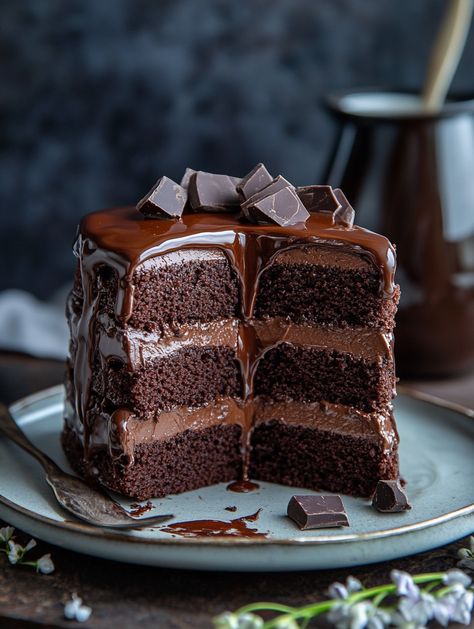
Tips for a Moist and Rich Fudge Cake
A truly moist chocolate cake does not happen by accident. A few deliberate choices make all the difference.
Pro Baking Techniques
Do not overbake. This is the single biggest reason home-baked chocolate cakes end up dry. Start checking at the 25-minute mark, and take the cake out the moment the skewer comes out clean.
Measure accurately. Baking is not forgiving of guesswork. An extra 20g of flour can make your cake noticeably drier. Use a digital scale if you have one.
Use full-fat ingredients. This is not the recipe to make lighter by swapping butter for low-fat spread or using skimmed milk in the frosting. Full-fat ingredients contribute to that fudgy, rich texture that makes this chocolate fudge cake recipe worth making.
Leave it to mature. This cake actually improves slightly overnight as the moisture redistributes through the sponge. If you can bake it the day before serving, you will notice the difference.
Common Mistakes to Avoid
Baking Errors and How to Fix Them
Sinking in the middle: Usually caused by underbaking or opening the oven door too early. Do not open the oven before 20 minutes have passed.
Dry, crumbly texture: Most likely overbaked, or too much flour was used. Try reducing the baking time by 3-5 minutes next time.
The frosting looks grainy: the icing sugar was not sifted properly. If this happens, pass the frosting through a fine sieve or add a splash of warm milk and beat vigorously.
Cake sticking to the tin: Make sure you grease your tins thoroughly and always use baking parchment on the base. A little flour dusted over the greased sides also helps.
Batter curdling: Usually happens when eggs are added too quickly to cold butter. Add them more slowly and add a tablespoon of flour if the mixture splits.
Variations and Substitutions
Eggless and Gluten-Free Options
This recipe is quite adaptable, which is one more reason home bakers keep coming back to it.
For an eggless version, replace each egg with 3 tablespoons of unsweetened applesauce, or use a commercial egg replacer. The texture will be slightly denser, but the flavour holds up well.
For a gluten-free version, swap the self-raising flour for a good-quality gluten-free self-raising blend. Add half a teaspoon of xanthan gum if the blend does not already contain it, as this helps bind the batter.
For a dairy-free version, use a vegan block butter (not a soft spread) and replace the milk in the frosting with oat milk or almond milk. The frosting may be slightly less rich, but it still tastes excellent.
How to Store and Serve Chocolate Fudge Cake
Storage and Shelf Life Tips
Once assembled and frosted, the cake can be stored in an airtight container at room temperature for up to three days. Keep it away from direct sunlight or heat, which can affect the frosting.
If you need to keep it longer, store it in the refrigerator for up to five days. Let it come to room temperature for at least 30 minutes before serving — cold cake loses some of its moisture and flavour.
The unfrosted sponge layers freeze very well. Wrap each layer tightly in cling film, then in foil, and freeze for up to two months. Thaw overnight at room temperature and freeze fresh.
Serve this cake at room temperature, ideally with a cup of strong tea or a glass of cold milk. A small scoop of vanilla ice cream alongside is never a bad idea either.
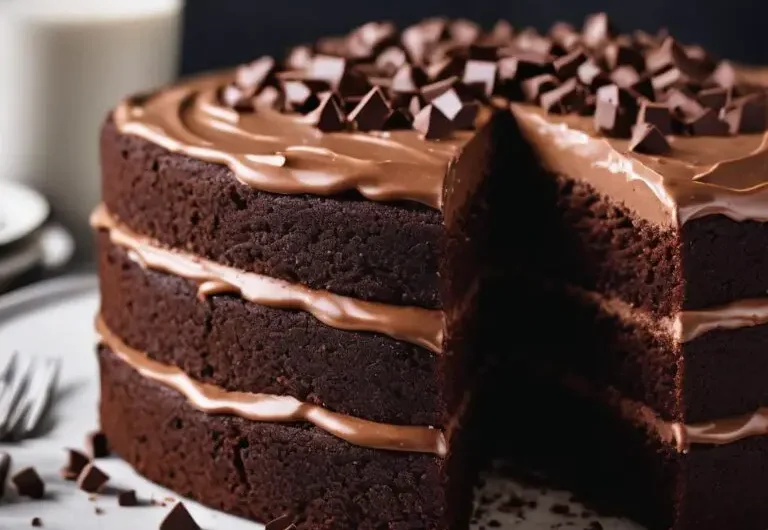
Mary Berry Chocolate Fudge Cake Recipe
Course: DessertCuisine: BritishDifficulty: Easy4
servings30
minutes40
minutes300
kcalIngredients
Self-raising flour
Cocoa powder
Sugar
Butter
Eggs
Milk
Baking powder
Chocolate (for frosting)
Icing sugar
Directions
- Mix all ingredients into a smooth batter.
- Pour into a greased cake tin.
- Bake at 180°C for 30–35 minutes.
- Melt chocolate and butter for frosting.
- Let the cake cool, then spread frosting on top.
FAQs About Chocolate Fudge Cake
Can I make Mary Berry’s chocolate fudge cake in one tin instead of two?
Yes, but you will need to adjust the baking time. A deeper single layer will take around 40 to 50 minutes. Keep a close eye on it from the 35-minute mark and use a skewer to test for doneness.
Why does my fudge frosting go hard?
The frosting sets as it cools. If it has set too firm before you have had a chance to spread it, gently reheat it in a saucepan over very low heat or in a microwave in 10-second bursts, stirring between each, until it softens to a spreadable consistency.
Can I add coffee to this recipe?
Absolutely. Adding a teaspoon of instant espresso powder to the cocoa paste enhances the chocolate flavour without making the cake taste of coffee. It is a well-known baker’s trick that works remarkably well in a moist chocolate cake.
Is this the same as a regular chocolate sponge?
Not quite. The addition of boiling water to bloom the cocoa, and the fudge-style frosting made with melted butter rather than whipped buttercream, give this cake a distinctly richer, denser texture compared to a standard Victoria-style sponge.
Can I use milk chocolate instead of cocoa powder?
The texture and sweetness will change significantly if you swap cocoa for melted milk chocolate. It tends to make the cake sweeter and softer. If you do want to try it, use about 100g of good-quality milk chocolate, melted and cooled, and reduce the sugar slightly to compensate.
Conclusion
Mary Berry’s chocolate fudge cake is the kind of recipe that earns a permanent place in your baking rotation. It is reliable, genuinely delicious, and easy enough that even a first-time baker can pull it off with confidence. Once you make it, it becomes the cake people request by name. And that is really the best kind of compliment a recipe can get.