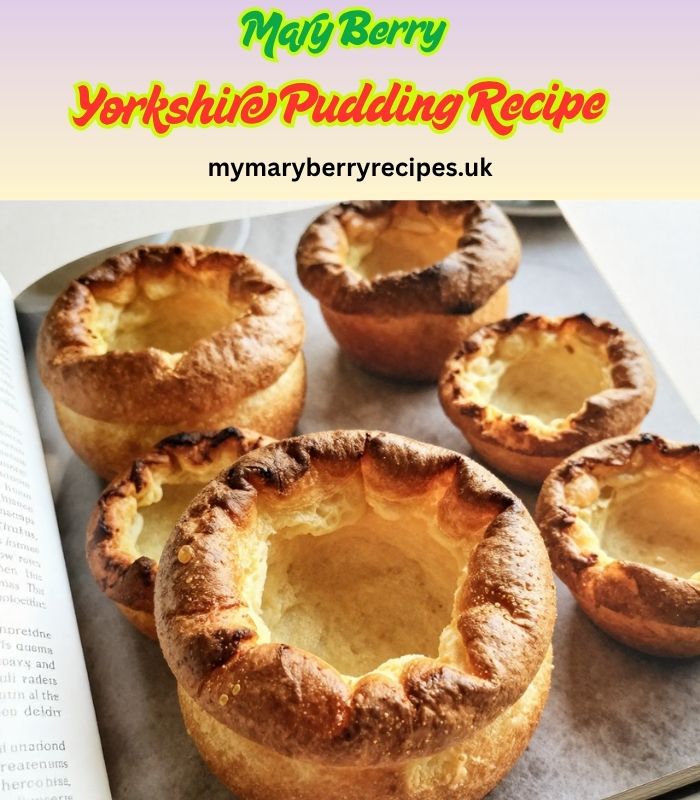
A flawlessly risen Mary Berry Yorkshire pudding recipe possesses a certain kind of magic and easy to bake homemade. That golden, crisp outer shell, the airy center poised to cradle a generous helping of gravy – it’s a quintessential British baked good, and mastering it feels like a genuine accomplishment.
Whether you’re preparing a traditional Sunday roast or cooking a festive centrepiece, this recipe gives you the confidence to serve Yorkshire puddings that genuinely impress.
Let’s walk through everything you need to know — from ingredients to common pitfalls — so yours come out perfectly every time.
Ingredients for Yorkshire Pudding
Essential Ingredients List
One of the great things about Yorkshire puddings is how few ingredients they require. You almost certainly have everything you need in your kitchen right now.
- 140g plain flour
- 4 large eggs
- 200ml whole milk
- Pinch of salt
- Sunflower or vegetable oil — for the tin
That’s it. No butter, no raising agents, no complicated additions. The rise comes entirely from the technique, which is why getting each element right matters.
Choosing the Right Flour
Always use plain flour, not self-raising. Yorkshire puddings rely on steam and heat to rise — not chemical leavening agents. Self-raising flour would disrupt that process and produce a different, less desirable texture.
For best results, weigh your flour rather than using cups or rough measures. Accuracy here makes a real difference to the final consistency of your batter.
Importance of Eggs and Milk
Eggs are the engine of a good Yorkshire pudding. They provide structure, help the batter puff dramatically in the oven, and give the finished pudding its characteristic chewiness in the centre. Always use large, room-temperature eggs — cold eggs can shock the batter and reduce the rise.
Whole milk gives the batter the fat content it needs for flavour and texture. Semi-skimmed can be used in a pinch, but the results are generally slightly less rich. Some bakers use a half-milk, half-water ratio, which can produce a lighter, crisper pudding — worth trying once you’re comfortable with the base recipe.
Kitchen Tools You’ll Need
Recommended Baking Equipment
You don’t need specialist equipment, but the right tools do make the process easier and the results more consistent.
- A large mixing bowl
- A balloon whisk or electric hand mixer
- A measuring jug
- Kitchen scales
- A 12-hole non-stick muffin tin or a dedicated Yorkshire pudding tin
Best Pans for Perfect Rise
The tin is more important than most people realise. A heavy-gauge metal tin retains heat far better than thin or ceramic alternatives, and that retained heat is what creates the explosive rise when the batter hits the pan.
Non-stick is helpful for easy release, but the key factor is that the pan must be oven-safe at very high temperatures — you’ll be heating the oil to around 220°C, so flimsy tins will warp and perform poorly.
Step-by-Step Mary Berry Yorkshire Pudding Recipe
Preparing the Batter
- Sift the plain flour and salt into a large mixing bowl and make a well in the centre.
- Crack the four eggs into the well and begin whisking, gradually drawing in the flour from the sides.
- Slowly pour in the milk while continuing to whisk until you have a completely smooth batter.
- Transfer the batter to a jug for easy pouring — this step matters when you’re working quickly with a hot tin.
- Rest the batter for at least 30 minutes at room temperature. This allows the gluten to relax and produces a better rise.
How to Get the Perfect Batter Consistency
The finished batter should be roughly the consistency of single cream — pourable, smooth, and free of any lumps. If it looks too thick, whisk in a small splash of milk. If it seems thin, don’t panic — a slightly loose batter still rises well.
The resting stage is not optional. It genuinely improves the texture and rise of the puddings, so factor it into your timing.
Preheating the Oven Properly
Preheat your oven to 220°C (200°C fan) / Gas Mark 7. Place your muffin tin with a small amount of oil in each hole — around half a teaspoon per hole — into the oven for at least 10–15 minutes before you’re ready to pour. The oil must be smoking hot when the batter goes in.
This is the single most important step. If the oil isn’t hot enough, the batter will sit and soak rather than sizzle and rise.
Baking the Yorkshire Pudding
Working quickly, remove the tin from the oven, close the oven door to retain the heat, and pour the batter into each hole until two-thirds full. Return the tin to the oven immediately.
Perfect Timing and Temperature Tips
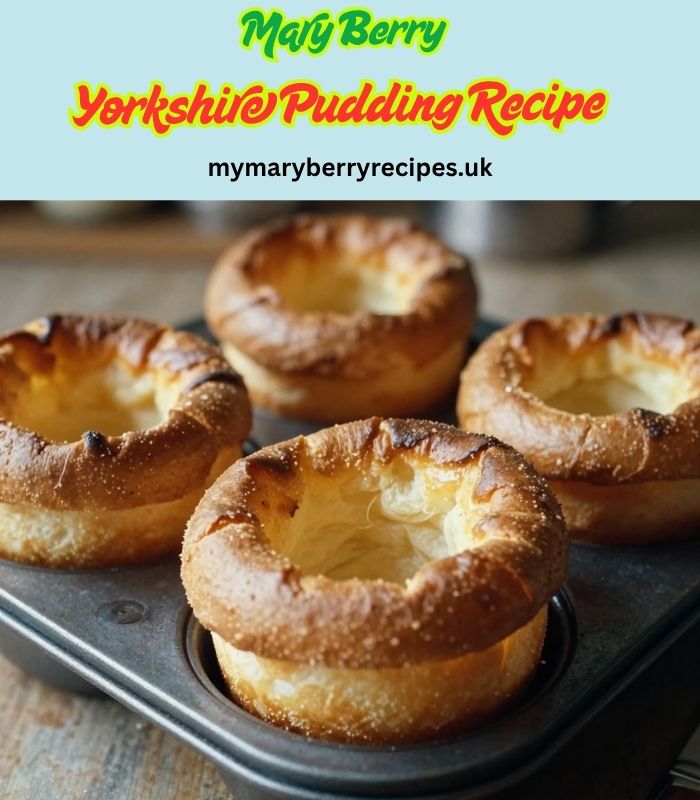
Bake for 20–25 minutes without opening the oven door. This is non-negotiable — opening the door causes a temperature drop that deflates the puddings mid-rise. They should emerge tall, golden, and gloriously hollow. Serve immediately for maximum crispness.
Tips for Perfect Yorkshire Puddings Every Time
Common Mistakes to Avoid
- Don’t rush the batter rest — 30 minutes minimum, an hour if you have the time.
- Never open the oven during baking.
- Always use a metal tin, not ceramic or glass.
- Don’t overfill the holes — two-thirds full allows room to rise dramatically.
- Make sure your eggs are room temperature before mixing.
Why Your Puddings Don’t Rise
Flat Yorkshire puddings almost always come down to one of three causes: the oil wasn’t hot enough when the batter was added, the oven door was opened during baking, or the batter was too cold. Addressing any of these will typically solve the problem immediately.
Variations of Yorkshire Pudding
Mini Yorkshire Puddings
Use a 24-hole mini muffin tin for bite-sized versions that are perfect as canapés or party starters. Fill them with a sliver of rare roast beef and a drop of horseradish cream — they disappear within minutes at any gathering.
Stuffed Yorkshire Pudding Ideas
Larger Yorkshire puddings can serve as edible bowls. Fill them generously with:
- Roast beef and gravy for the classic pairing
- Sausages and mashed potatoes for a toad-in-the-hole-inspired twist
- Pulled chicken and mushroom sauce for something a little different
- Roasted vegetables and stilton as a vegetarian centrepiece
Serving Suggestions
Traditional British Serving Style
Best Pairings with Roast Dinner
Yorkshire puddings are traditionally served alongside roast beef, but they complement any Sunday roast beautifully. Pair them with:
- Thick, glossy beef or chicken gravy
- Roast potatoes and honey-glazed parsnips
- Seasonal greens and carrots
- Creamy horseradish sauce or wholegrain mustard
For a more casual midweek meal, a single large Yorkshire pudding filled with bangers and onion gravy makes an incredibly satisfying and comforting dinner.
Storage and Reheating Tips
How to Store Leftovers
Allow the puddings to cool completely before storing. Place in an airtight container and refrigerate for up to 2 days, or freeze for up to 1 month. Separate layers with baking parchment to prevent sticking.
Best Way to Reheat Without Losing Crispiness
The oven is your best friend here. Place the puddings directly on the oven rack at 200°C (180°C fan) for 5–8 minutes until they’re heated through and the exterior has crisped back up. Avoid the microwave — it makes them soft and chewy rather than crisp, and much of their charm is lost.
Nutritional Information
Calories and Macros Breakdown
Per standard Yorkshire pudding (based on 12 from this recipe, unfilled):
| Calories | 85–95 kcal |
| Protein | 4g |
| Carbohydrates | 10g |
| Fat | 3.5g |
| Fibre | 0.4g |
Values will vary slightly depending on the type of milk and oil used. These figures are for the pudding alone, without fillings or gravy.
FAQs About Yorkshire Pudding
Can I Make the Batter in Advance?
Yes — in fact, it’s encouraged. The batter can be made up to 24 hours in advance and stored covered in the refrigerator. Remove it around 30 minutes before cooking to bring it back to room temperature. Many seasoned cooks swear the overnight rest produces an even better rise.
Why Is My Yorkshire Pudding Flat?
The most likely culprit is oil that wasn’t hot enough before the batter was poured in. The second most common cause is opening the oven door during baking.
Can I Make Yorkshire Pudding Without Eggs?
Classic Yorkshire pudding gets its lift and structure primarily from eggs, which makes them a challenge to recreate without. But, a blend of aquafaba—the liquid from a can of chickpeas—and a touch of cornflour can yield a passable egg-free alternative. Just know that the texture and height will be a bit different from the traditional kind.
What Oil Is Best for Yorkshire Pudding?
Any oil with a high smoke point works well. Sunflower oil and vegetable oil are the most popular choices. Lard is the traditional option and produces an exceptionally crisp, flavourful result if you’re open to using it. Olive oil is generally not recommended — its lower smoke point and stronger flavour don’t suit this particular recipe.

Mary Berry Yorkshire Pudding Recipe
Course: DessertsCuisine: BritishDifficulty: Easy4
servings30
minutes40
minutes300
kcalIngredients
100g flour
2 eggs
300ml milk
Pinch of salt
Oil
Directions
- Preheat oven to 220°C.
- Mix flour, eggs, milk, and salt to make a smooth batter.
- Put a little oil in muffin tray and heat in oven.
- Pour batter into hot tray.
- Bake 20–25 minutes until golden and risen.
- Serve hot.
Notes
- Batter should be thin
- Oil must be very hot
- Do not open oven while baking
- Best served with roast beef or gravy