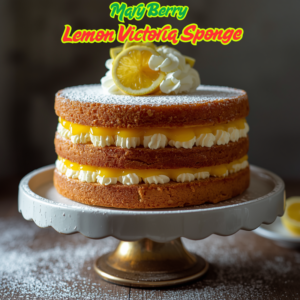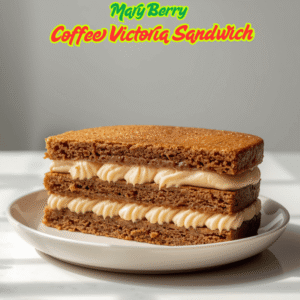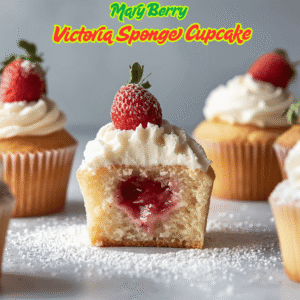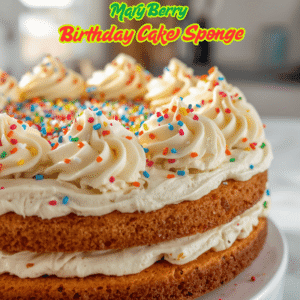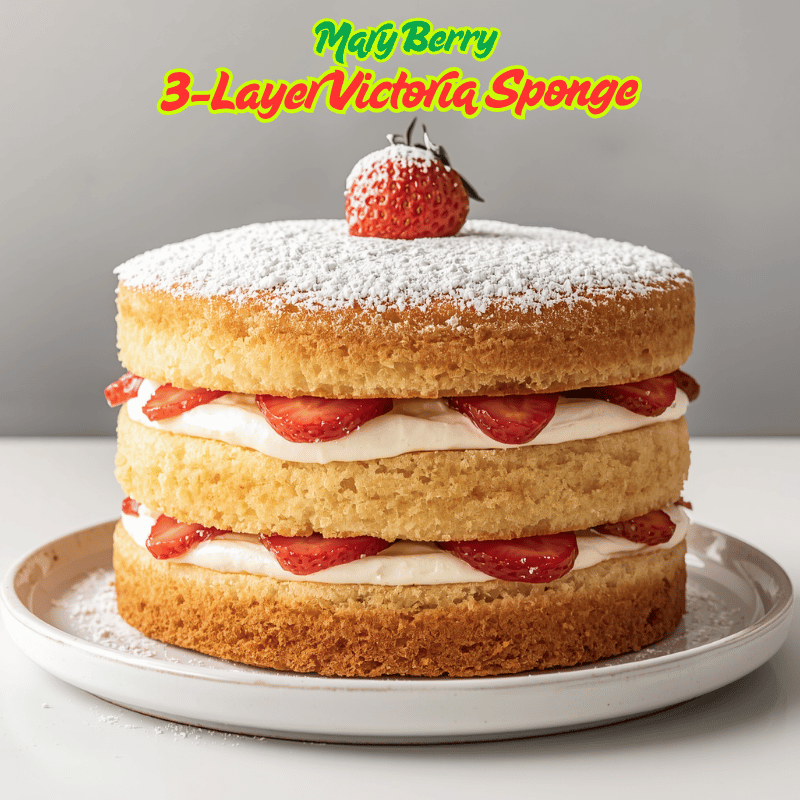
The Mary Berry 3-Layer Victoria Sponge Recipe takes this most revered of British classics and adds a third layer, transforming a familiar slice into something genuinely celebratory. Taller, more generous, with twice the filling — this triple layer sponge cake earns its place on any table that wants to convey care without fuss.
The Structure and Flavor Mary Berry 3-Layer Victoria Sponge Recipe
How Each Element Contributes to Balance and Lightness
The all-in-one method works best — softened butter, caster sugar, self-raising flour, and eggs beaten until smooth. Baking powder adds extra lift when the mixture divides three ways; each layer is thinner and needs support to rise properly. The filling stays simple: whipped cream and good jam.
Subtle Details That Elevate the Overall Finish
Vanilla extract in the batter adds warmth that intensifies during baking. A tablespoon of icing sugar lightly sweetens the cream, balancing the jam without competing with the sponge itself.
Building the Mary Berry 3-Layer Victoria Sponge Recipe with Care and Precision
- Sponge Base Preparation: Place the softened butter, caster sugar, self-raising flour, eggs, and baking powder in a large bowl and beat for two minutes until smooth, pale, and lightly aerated. If the batter seems stiff, a tablespoon of warm milk loosens it to the right consistency.
- Even Baking Stage: Divide the batter between three greased and lined 20cm round tins, weighing each portion for equal depth. Bake at 180°C (160°C fan) for 18 to 22 minutes until golden and springing back when gently pressed.
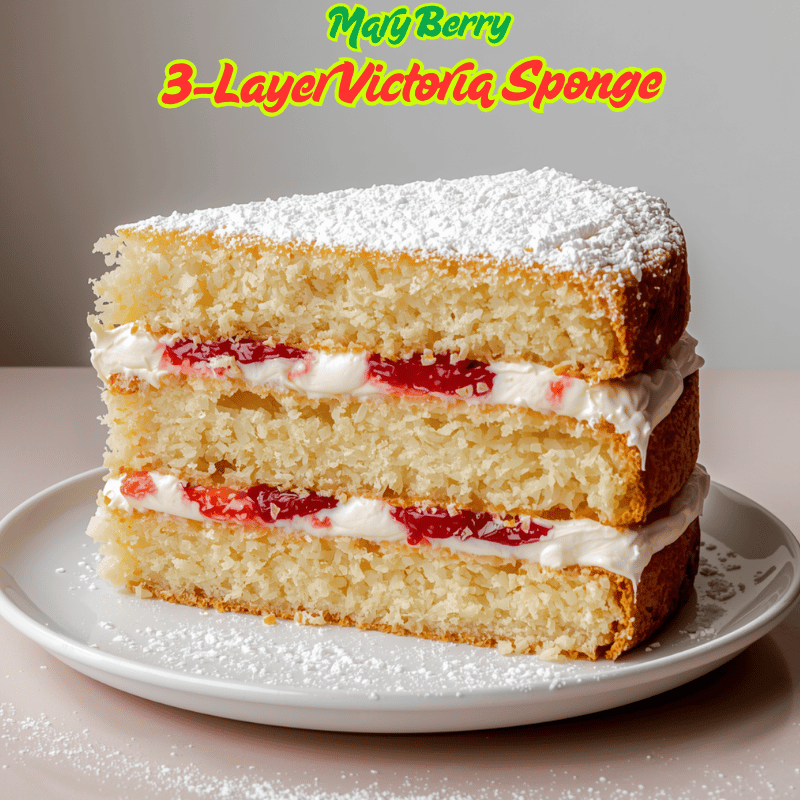
- Filling Assembly: Once completely cooled, spread jam on the first sponge, then whipped cream on top of the jam. Repeat with the second layer before placing the third sponge on top.
- Final Stacking: Press each layer gently to level as you assemble. Dust the top with icing sugar just before serving — applied too early, it absorbs and the effect disappears.
Achieving Lightness Without Losing Structure
Where Things Can Lose Balance
Uneven portions between tins produce layers of different heights — visible when cut. Filling a warm sponge melts the cream and runs the jam; both must be completely cold before assembly.
Simple Adjustments for Better Results
Room temperature butter creams more efficiently and holds more air. Cooling the layers upside down on a wire rack produces a naturally flatter top that stacks with far greater stability.
Creative Twists to Enhance a Classic Mary Berry 3-Layer Victoria Sponge Recipe
Flavor Ideas to Experiment With
- Berry Layer Upgrade: Replace jam with sliced strawberries briefly macerated in sugar. The texture and colour are noticeably fresher.
- Citrus Touch: Fold lemon zest into the batter and a teaspoon of lemon juice into the cream. The freshness lifts the entire layered sponge dessert considerably.
- Cream Variation: Replace double cream with vanilla buttercream for a stable filling that holds at room temperature for longer.
Presenting a Layered Cake That Feels Truly Special
Visual Touches That Enhance Appeal
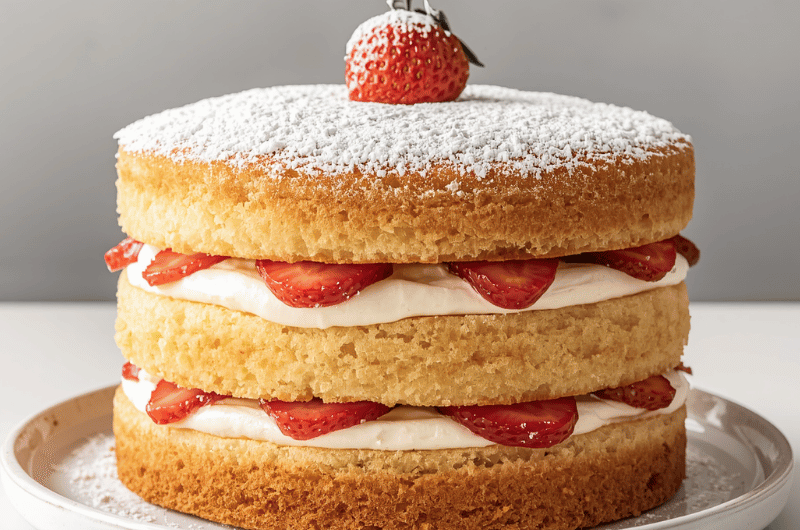
A dusting of icing sugar alone makes the cake look composed and inviting. For a celebration, a few fresh strawberries on top add colour without overcomplicating the look.
Pairings That Complement the Flavor
Earl Grey tea is the most natural companion — the bergamot amplifies the vanilla and cream rather than competing. Something sparkling, whether Prosecco or elderflower, also pairs particularly well.
Keeping the Layers Fresh and Well-Structured
Filled with cream, the cake keeps in the fridge for up to two days. Unfilled layers stay fresh at room temperature for three days. Freeze unfilled layers for up to two months.
Ending on a Light and Elegant Note Mary Berry 3-Layer Victoria Sponge Recipe
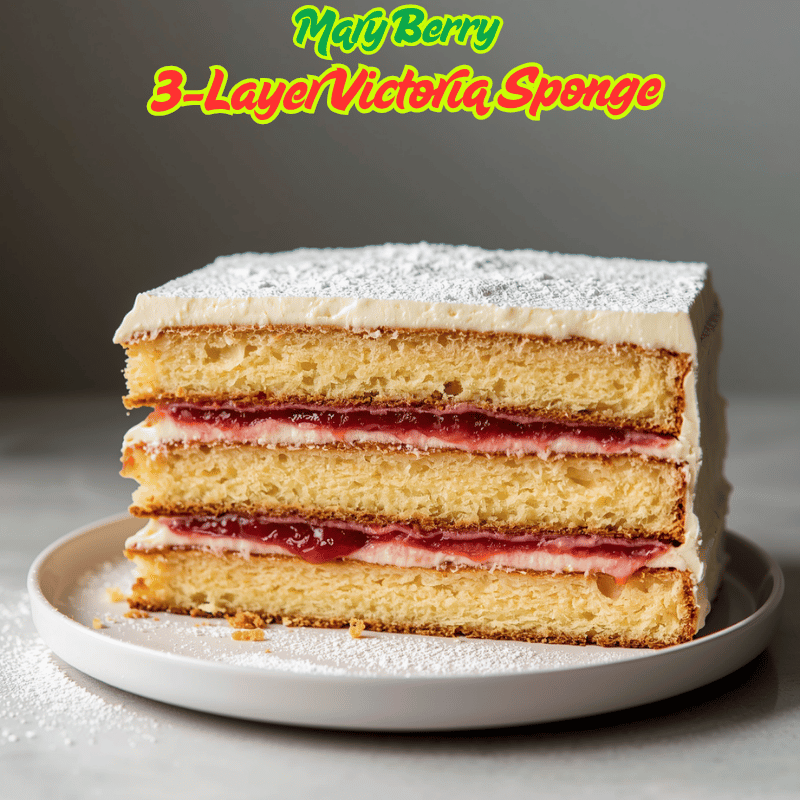
- Layered Beauty: each slice reveals the soft, balanced structure of three perfectly made classic sponge layers.
- Gentle Sweetness: flavours remain light and refined, never tipping into excess.
- Classic Appeal: a timeless bake that conveys care and elegance with effortless simplicity.
FAQs
How do I ensure all three layers bake evenly?
Weigh the batter into each tin. Dividing by eye almost always produces unequal heights, which affects both appearance and structure.
Can I make the sponge layers in advance?
Yes. Sponge layers can be baked the day before, cooled, and wrapped at room temperature. Assemble on the day of serving.
What jam works best between the layers?
Strawberry and raspberry are the classic choices. Seedless versions spread more smoothly. Tart cherry jam creates a pleasant contrast against the cream.
How do I stop the layers from sliding?
A thin crumb coat of buttercream on the outside helps bind the layers. Chilling for 30 minutes before serving sets the filling.
Can I substitute whipped cream for buttercream?
Yes. Whipped cream is more delicate but softens quickly. Buttercream holds for longer and suits occasions where the cake will be on display.
How do I get a perfectly flat top on each layer?
Cool the layers upside down on a wire rack. A domed top flattens under its own weight, producing a level surface without trimming.
Can I freeze a Victoria sponge?
Yes. Wrap unfilled layers in cling film and freeze for up to two months. Assembled cream cakes do not freeze well.
Mary Berry 3-Layer Victoria Sponge Recipe
Course: DesserCuisine: BritishDifficulty: Easy4
servings30
minutes40
minutes300
kcalIngredients
Butter (soft)
Sugar
Eggs
Self-raising flour
Baking powder
Milk
Strawberry jam
Whipped cream
Directions
- Preheat oven to 180°C.
- Cream butter and sugar.
- Add eggs one by one.
- Fold in flour, baking powder, and milk.
- Divide into 3 tins, bake 20–25 mins.
- Cool completely.
- Layer with jam and cream.
Notes
- Use equal batter in each tin
- Don’t overbake (keep sponge soft)
- Cool before layering
- Dust with icing sugar for finish