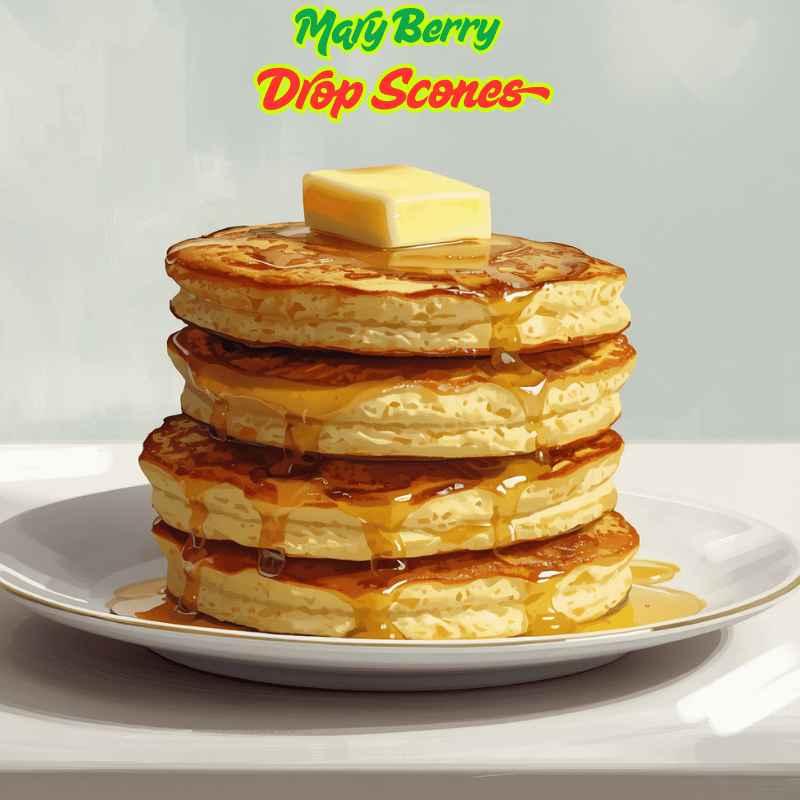
The Mary Berry Drop Scones Recipe has always understood this instinctively. These small, pillowy griddle scones are not pancakes in the usual sense. Thicker, softer, more substantial, and considerably more forgiving to make. They appear on a Saturday morning plate, a Sunday tea table, a school holiday afternoon with jam and cream, and they are always exactly right. The ingredients, properly combined, do most of the work.
What Makes Mary Berry Drop Scones Recipe Different from Other Pancakes
The Unique Texture and Thickness
Self-raising flour provides lift and tenderness. Eggs bind the batter and contribute color; milk loosens it to a thick but pourable consistency. Caster sugar sweetens cleanly. A small amount of melted butter in the batter and a lightly greased pan prevent sticking and produce the characteristic pale gold underside that makes these griddle scones so appealing.
Why the Method Creates a Distinct Result
Vanilla extract in the batter adds warmth without drawing attention to itself. A five-minute resting period after mixing allows the flour to hydrate and produces a noticeably better rise in every scone.
Cooking Mary Berry Drop Scones in a Pan with the Right Technique
- Batter Texture Insight: The batter should hold its shape when dropped onto the pan rather than spreading flat. If it flows too easily, a tablespoon more flour usually solves this.
- Heat Control Stage: A heavy-based frying pan set over medium heat and lightly greased produces the best result. Too hot and the outside browns before the inside cooks; too cool and the scones spread flat and pale.
- Pouring Method: Drop a heaped tablespoon of batter per scone and leave them undisturbed. The batter will settle and round itself naturally.
- Turning Point: Flip when bubbles break on the surface, and the edges look set and dry — approximately two minutes. Cook for another minute until the second side is golden.
Getting That Signature Soft Center with a Light Surface
Where Drop Scones Can Go Flat or Dense
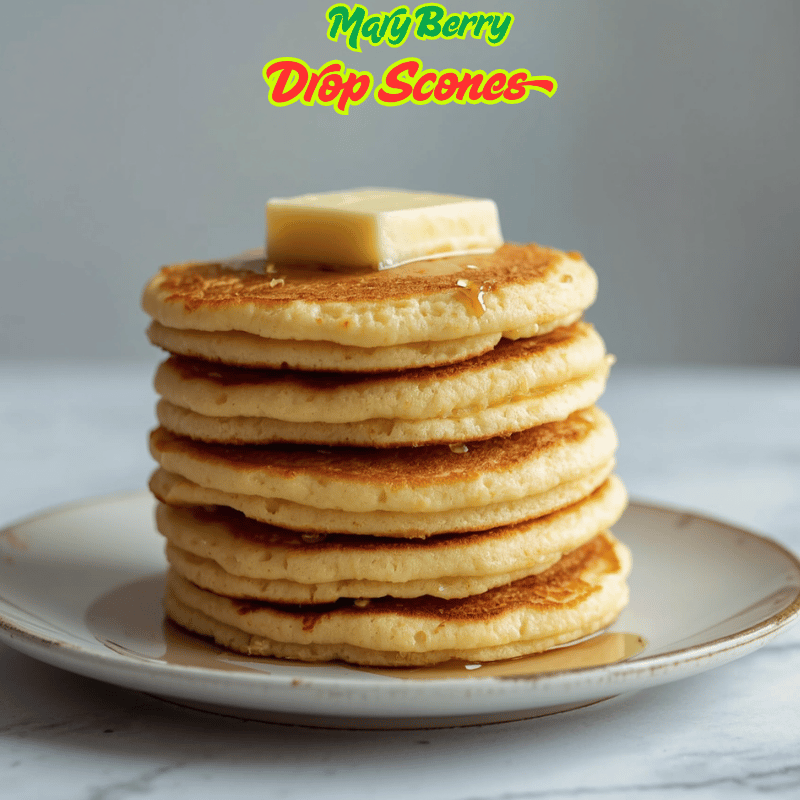
Over-mixing is the most reliable cause of flat drop scones — it develops gluten and collapses the air. Fold the batter just until combined; small lumps are fine. A cold pan is the second issue; insufficient heat means the batter spreads before it can set.
Simple Adjustments for a Better Rise
Test the pan by dropping a tiny amount of batter — it should sizzle gently. The right temperature is the single greatest factor in producing Scotch pancakes that rise properly.
Simple Ways to Add Flavor to Classic Mary Berry Drop Scones Recipe
Flavor Ideas to Experiment With
- Berry Addition: Press two or three fresh blueberries into each scone after dropping the batter. They soften during cooking and add sharpness against the mild sponge.
- Honey Drizzle: Replace the caster sugar with a tablespoon of runny honey for a more floral, complex flavor.
- Citrus Hint: Fold lemon or orange zest into the batter for a brightness that works particularly well with clotted cream.
Serving Drop Scones in a Way That Feels Special
Presentation Ideas for a Cozy Setting
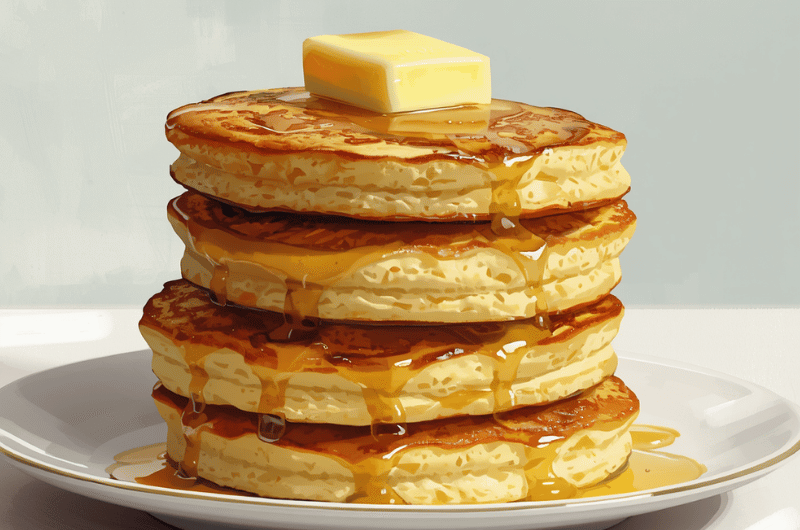
Stack them on a warm plate with a knob of butter allowed to melt before the plate reaches the table — this simple detail transforms the presentation from tidy to genuinely inviting.
Toppings That Complement the Flavor
Clotted cream and strawberry jam are the traditional companions. Golden syrup is equally good. For a lighter option, Greek yogurt and fresh fruit turn a simple batch into a proper brunch occasion.
Keeping Mary Berry Drop Scones Soft After Cooking
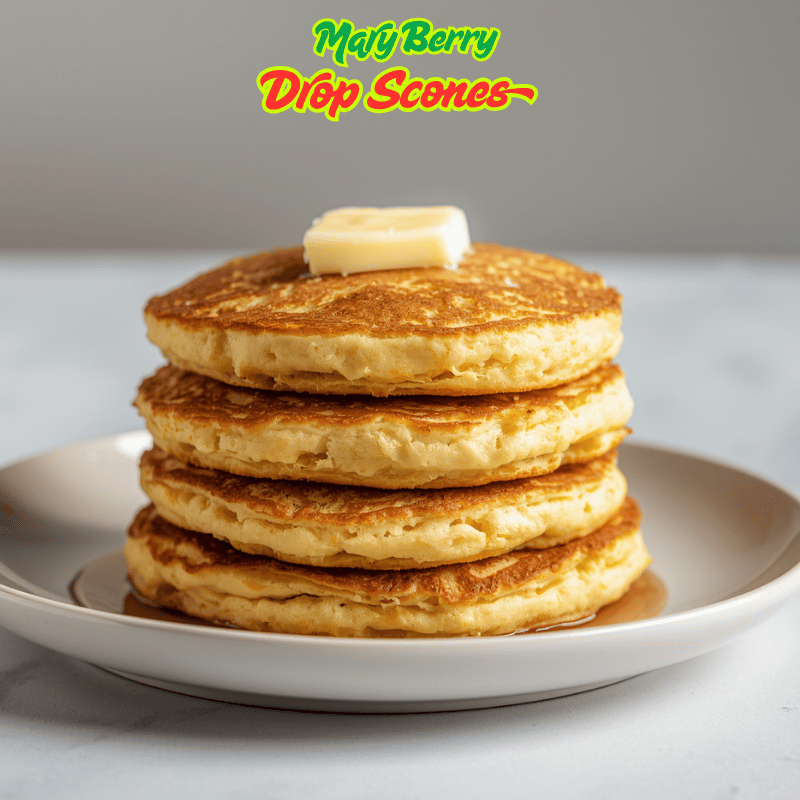
Drop scones keep wrapped at room temperature for a day but are best eaten warm. Reheat in a dry pan or wrapped in foil in a low oven. They freeze well — place parchment squares between each to prevent sticking.
Ending on a Warm and Comforting Note
- Soft Texture: fluffy inside with a light golden outside — every time.
- Gentle Sweetness: simple, clean flavors that feel satisfying without excess.
- Everyday Enjoyment: equally perfect for breakfast, tea time, or a quiet morning.
FAQs
Can I make the batter in advance?
Yes. The batter keeps in the fridge for up to an hour. Stir gently before using — leaving it longer exhausts the raising agents.
Why do my drop scones spread too thin?
The batter is too thin. Add another tablespoon of flour. It should drop in a slow, thick ribbon rather than flowing freely.
What pan works best for cooking drop scones?
A heavy-based non-stick pan or flat cast-iron griddle works best. Even heat distribution prevents hot spots.
Can I freeze drop scones?
Yes. Cool completely, freeze in a single layer, then transfer to a bag. Reheat from frozen in a toaster or low oven.
How do I know when to flip them?
When small bubbles appear across the surface, and the edges look set and matte rather than shiny, around two minutes.
Can I make drop scones without eggs?
Yes, though slightly less airy. Replace each egg with one tablespoon of ground flaxseed mixed with three tablespoons of water.
Are drop scones the same as Scotch pancakes?
Yes. Drop scones and Scotch pancakes are the same thing — different names for the same small, thick, lightly sweetened griddle cake.
Mary Berry Drop Scones Recipe
Course: BreakfastCuisine: BritishDifficulty: Easy4
servings30
minutes40
minutes300
kcalIngredients
Self-raising flour
Sugar
Egg
Milk
Butter (for cooking)
Directions
- Mix flour + sugar.
- Add egg + milk, make smooth batter.
- Heat pan, melt a little butter.
- Drop small batter rounds.
- Cook until bubbles form, flip.
- Cook both sides till golden.
Notes
- Batter should be slightly thick 🥞
- Cook on medium heat
- Flip when bubbles appear
- Serve warm with butter, jam, or syrup